

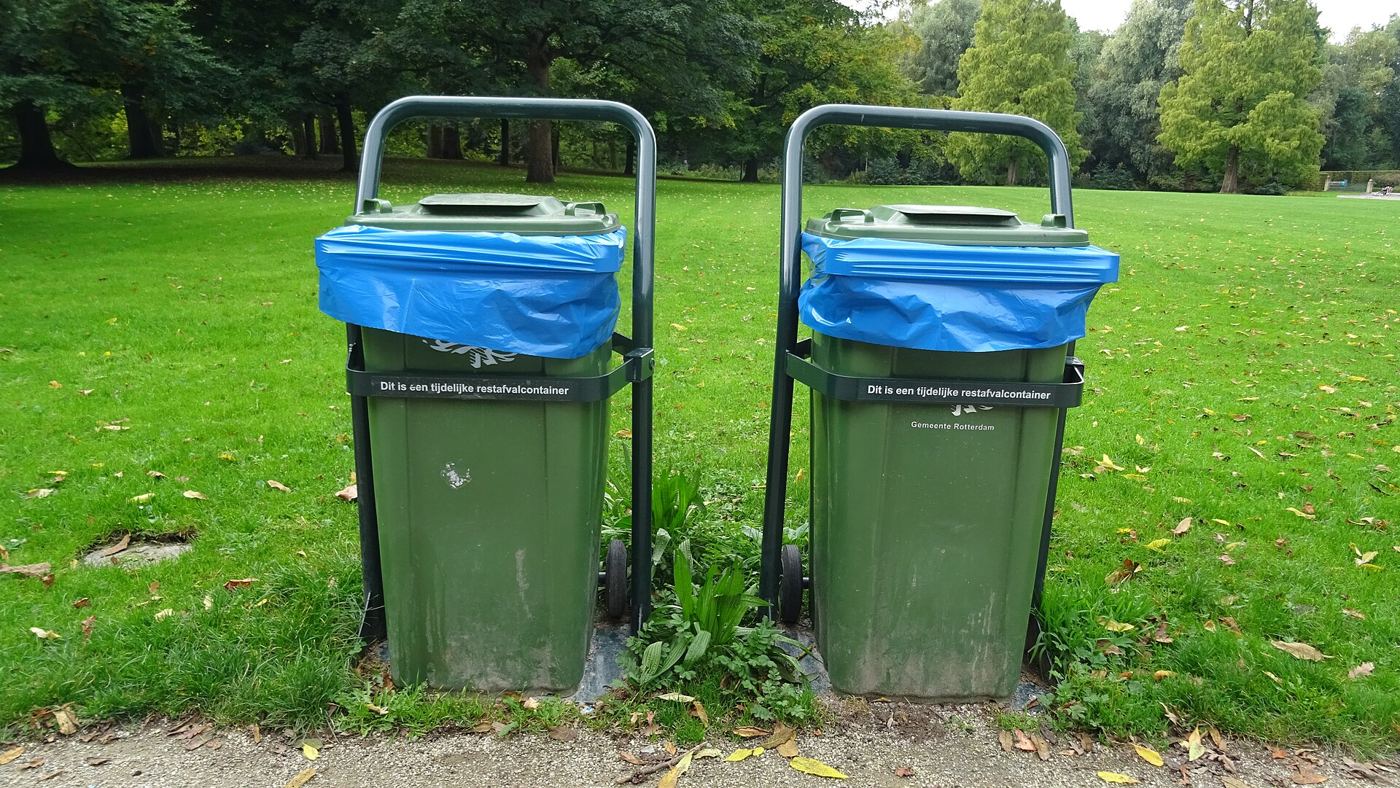

Councils are redrawing their bin collection rounds as new recycling rules ask households to sort more of their waste, from food scraps to soft plastics and garden cuttings. The changes mean new bins for many homes, different collection days and a learning curve for residents who must remember which item goes where. Officials say the aim is to recycle more and send less to landfill, and that the new system will eventually make collections simpler and more consistent across neighbouring areas. Residents have questions, from how often the general waste bin will be emptied to whether food waste collections will smell in summer. Councils say they are sending leaflets, running helplines and visiting community groups to explain the new system before it starts, though they admit that some confusion is inevitable in the first weeks. Officials say the aim is to make recycling a routine part of the week, not a puzzle that residents must solve each time.
What the Evidence Shows
Waste experts say the new rules reflect a wider shift in how rubbish is viewed, from something to be buried to a resource that can be recovered and reused. Food waste, for example, can be turned into compost or gas, while sorted plastics and metals are far easier to recycle than a mixed bag. They warn, however, that the system only works if households sort correctly, since a single wrong item can spoil a whole load. Councils are therefore investing in clear labelling, simple guides and feedback to residents when a bin is collected incorrectly. Some are also charging for garden waste collections, a move that has proved unpopular but which officials say keeps the service running. For residents, the change is a small weekly habit with a larger purpose: less waste buried, and more of it put back to use. Reporting and analysis from sources such as Reuters track the same developments, and specialists following the changing bin collection rules say the direction is now consistent across independent lines of evidence.
The Wider Context
The wider context is a public conversation conducted at a speed institutions were not built for. Developments around the changing bin collection rules are announced, contested and revised within a single news cycle, and the officials involved have learned to publish evidence alongside claims so that scrutiny can actually occur. Trust, the polling suggests, follows that transparency more than it follows confidence.
What Happens Next
What happens next in the story of the changing bin collection rules will be decided in the places where it is being implemented, measured and argued about in public. The officials and organisations involved have committed to publishing progress data, and that commitment gives residents, businesses and journalists something firmer than promises to judge. The next milestones are dated, which means they can be checked. You can follow related developments in our coverage of news.
There is a practical lesson in all of this for readers deciding what to do today. Start with the verified facts, be wary of anyone promising certainty, and prefer reversible steps while the evidence is still developing. Circumstances differ by country, income and personal situation, so general guidance should always be weighed against your own context before you act on it in any significant or lasting way.