

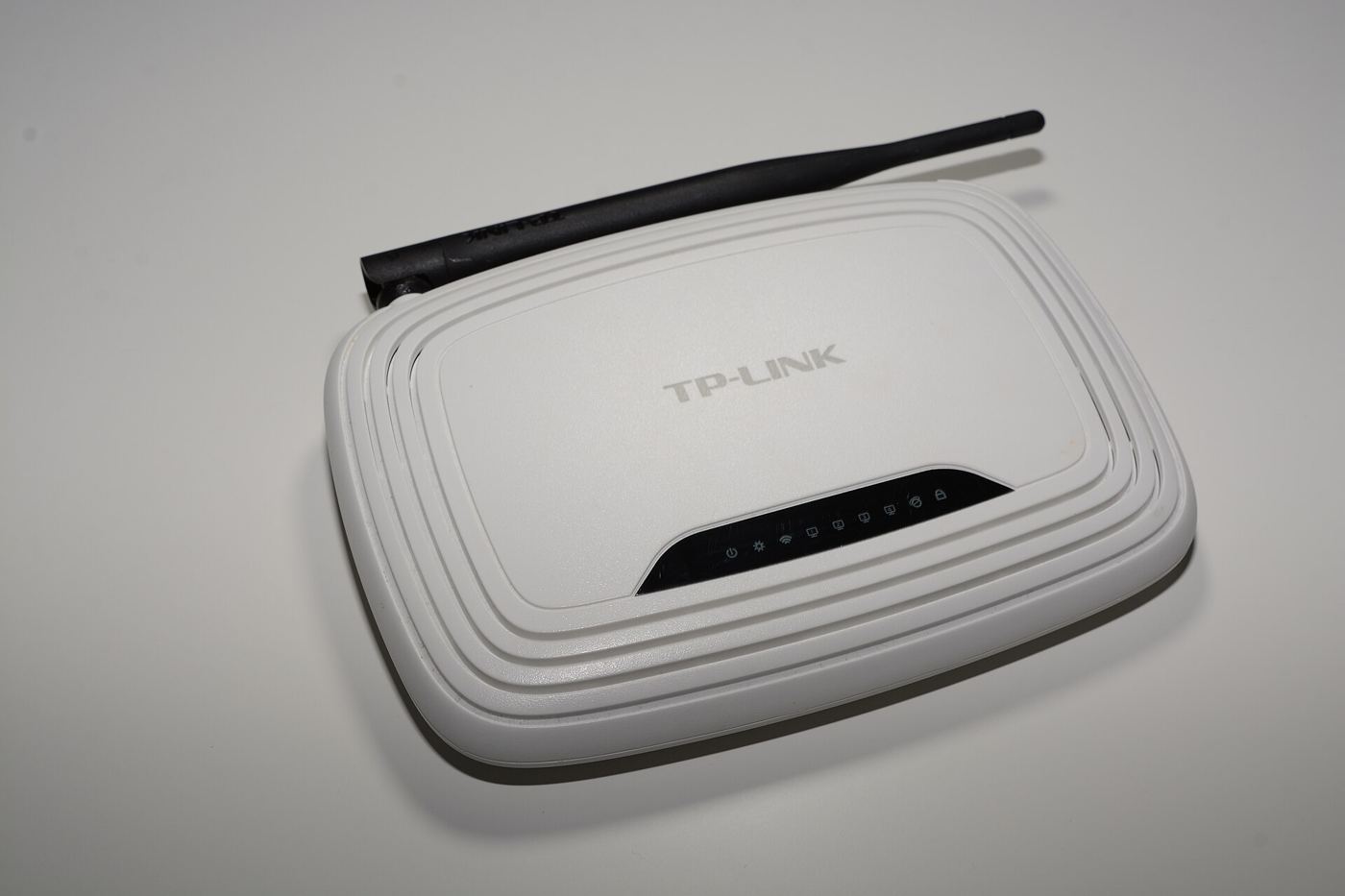

The wireless network in a home carries more traffic than ever before, with video calls, streaming, gaming and dozens of connected devices all competing for the same airwaves. The latest generation of Wi-Fi, known as Wi-Fi 7, is designed to handle that load, offering faster top speeds, lower delays and better performance when many devices are online at once. It does this by using wider radio channels, sending data across several frequency bands at the same time and packing more information into each transmission. For households, the practical benefits are smoother video calls, quicker downloads and less lag in online games, especially in crowded homes where several people are streaming at once. The first routers have reached the shops, and new laptops and phones are beginning to support the standard. As with earlier generations, the full benefit only appears when both the router and the device speak the same language.
What the Evidence Shows
The headline speeds of Wi-Fi 7 will matter most in busy homes and small offices, where the new standard’s ability to juggle many connections should reduce the slowdowns that happen at peak times. One of its key features lets a device use two bands simultaneously, so if one channel is congested the other can carry the traffic, keeping the connection steady. Another reduces the waiting time between transmissions, which helps real-time uses such as gaming and video conferencing. Early tests show real improvements, though the gains depend on the home’s layout, the distance from the router and the age of the devices. Prices for Wi-Fi 7 routers are still high, and many households will find their current equipment perfectly adequate. For those buying a router to last several years, however, the new standard is now the one to consider. Reporting and analysis from sources such as Wired track the same developments, and specialists following the Wi-Fi 7 routers promising faster home wireless say the direction is now consistent across independent lines of evidence.
The Wider Context
The wider context is an industry learning to ship capability and restraint together. Products built around the Wi-Fi 7 routers promising faster home wireless now launch with safety evaluations, usage data and rollback plans as standard, because enterprise buyers and regulators ask for them in the first meeting. Companies that treated those questions as friction are discovering they have become the purchase criteria.
What Happens Next
What happens next for the Wi-Fi 7 routers promising faster home wireless depends less on another breakthrough than on the unglamorous work of reliability, pricing and support. The buyers evaluating it now are not enthusiasts; they are operators with budgets and auditors, and their checklists will decide the timeline. On the evidence of the current pilots, the technology has earned the right to be judged by them. You can follow related developments in our coverage of technology.
None of this will be settled by a single announcement, study or product launch. The pattern to watch is accumulation: independent confirmations, honest reporting of failures and steady improvement in the underlying numbers. Readers who follow those signals, rather than the loudest claim of the week, will understand this subject better than most of the commentary surrounding it suggests is possible.