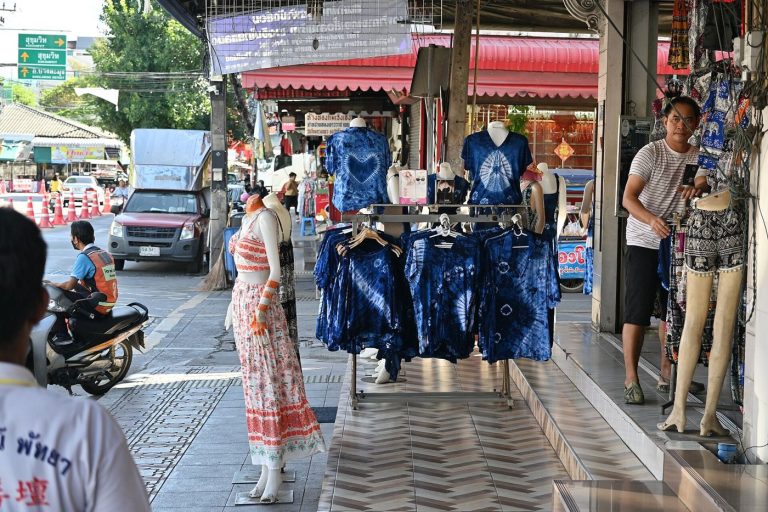

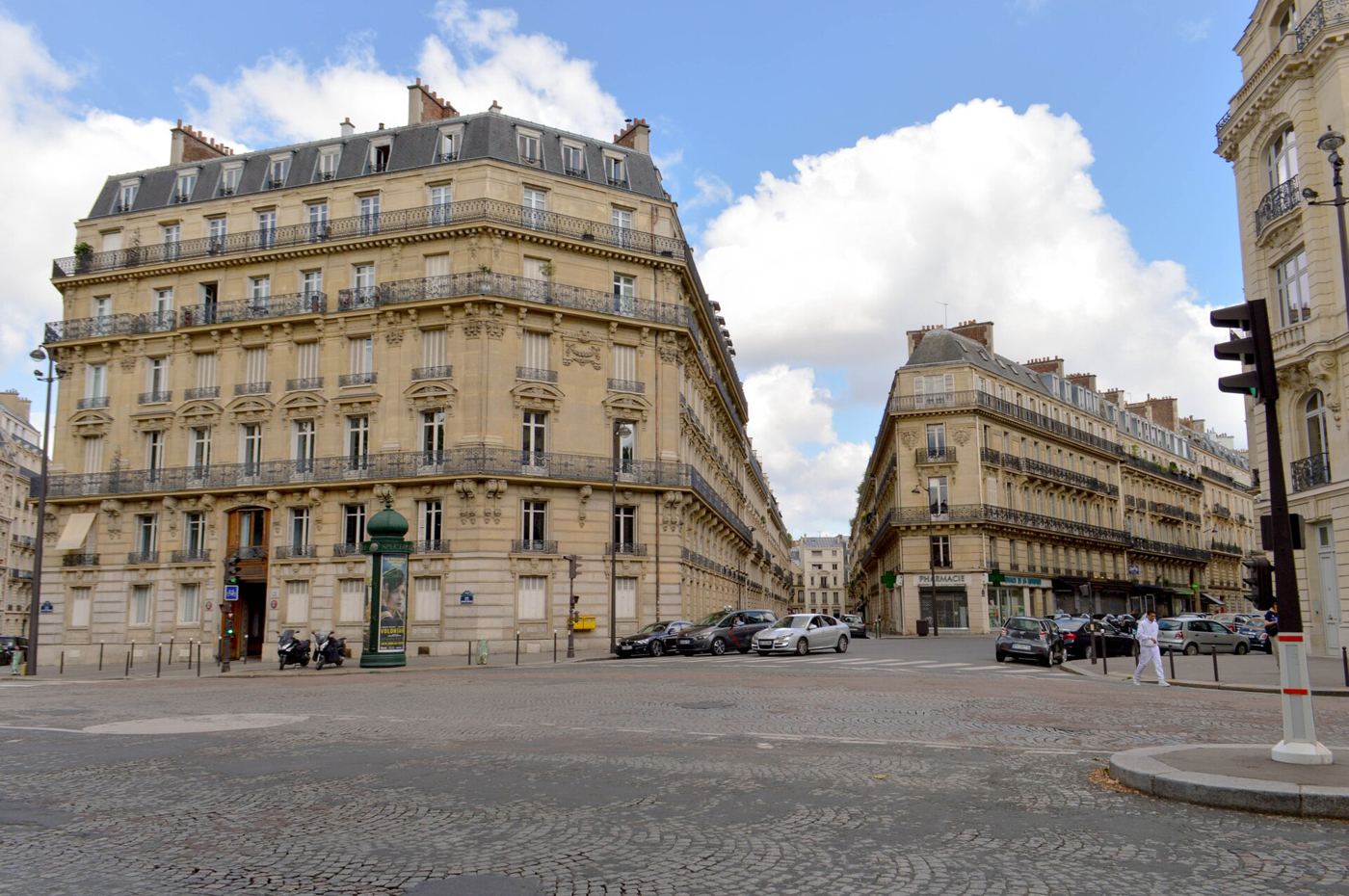

The city has approved more homes above shops on high streets, in a move aimed at bringing residents back to town centres and making better use of empty space over stores that have stood vacant for years. Planning officers said the upper floors of many high street buildings were unused, even though they were close to transport, shops and services, and that converting them into flats would add homes without building on new land. The plans include rules to protect the character of historic buildings, with requirements for sensitive design and for keeping shopfronts active at street level. Councillors said the new homes would help support local traders, since people living above the shops would use cafes, grocers and services during the day and evening. Housing groups welcomed the decision, saying it offered a practical way to add homes in places where people already wanted to live. The council said the first converted flats could be ready for residents within the next year.
What the Evidence Shows
Developers said the conversions would range from single flats above small shops to larger schemes covering whole rows of upper floors, with some including shared courtyards and cycle storage. They added that the work would also bring investment to tired buildings, with repairs to roofs, windows and facades funded as part of the conversion. Planners stressed that each application would still be judged on its own merits, including daylight, noise and access, so that new homes were genuinely comfortable to live in. Local traders said they hoped the new residents would bring steady custom, though some asked for construction work to be scheduled carefully to avoid disrupting trade. The council said it would monitor how many homes were created in the first year and whether the policy should be extended to other streets. Housing groups said the policy could be copied by other towns facing the same shortage of affordable homes. Reporting and analysis from sources such as Reuters track the same developments, and specialists following the homes above shops on high streets say the direction is now consistent across independent lines of evidence.
The Wider Context
The wider context is a public conversation conducted at a speed institutions were not built for. Developments around the homes above shops on high streets are announced, contested and revised within a single news cycle, and the officials involved have learned to publish evidence alongside claims so that scrutiny can actually occur. Trust, the polling suggests, follows that transparency more than it follows confidence.
What Happens Next
What happens next in the story of the homes above shops on high streets will be decided in the places where it is being implemented, measured and argued about in public. The officials and organisations involved have committed to publishing progress data, and that commitment gives residents, businesses and journalists something firmer than promises to judge. The next milestones are dated, which means they can be checked. You can follow related developments in our coverage of news.
There is a practical lesson in all of this for readers deciding what to do today. Start with the verified facts, be wary of anyone promising certainty, and prefer reversible steps while the evidence is still developing. Circumstances differ by country, income and personal situation, so general guidance should always be weighed against your own context before you act on it in any significant or lasting way.