
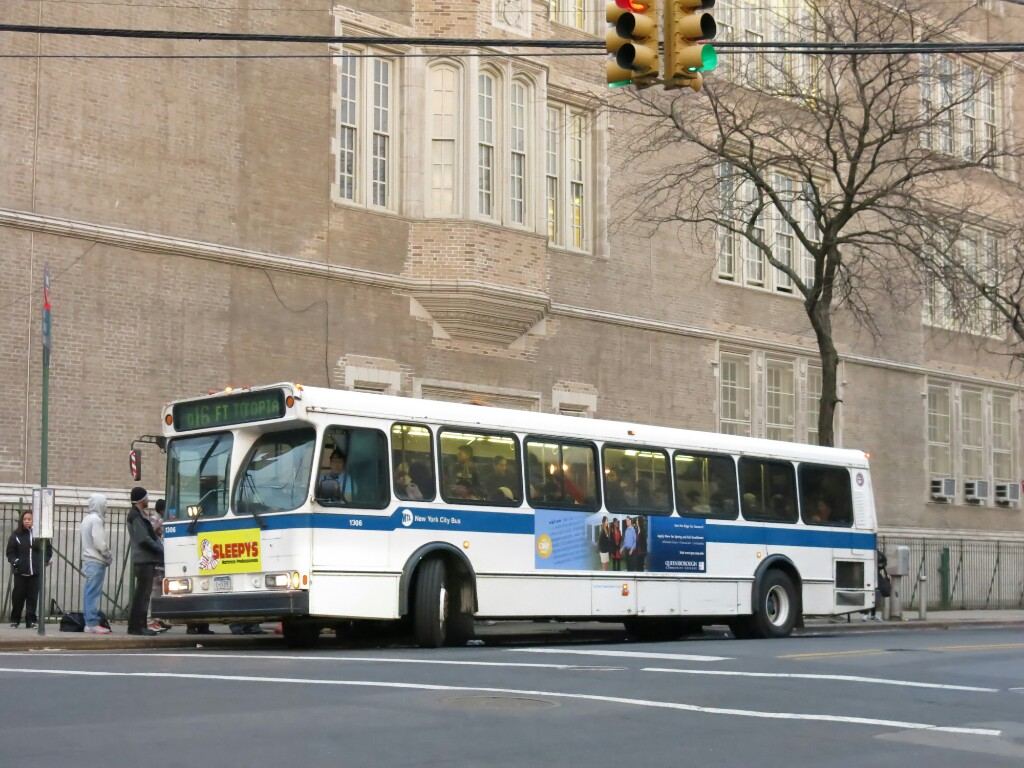

City transport authorities are adding evening bus trips on busy routes as ridership continues to recover and travel patterns shift later into the day. Officials say demand is no longer concentrated only in the traditional morning and evening rush hours, with health workers, hospitality staff, students, and shoppers travelling well into the evening. Extra services aim to cut long waits that discourage people from choosing the bus at all. Route planners are using passenger counts and tap in data to target the corridors where additional trips will help most, rather than spreading limited resources thinly across the whole network. City leaders say dependable buses are essential for meeting climate goals, because every full bus represents dozens of car journeys that do not need to happen on congested streets.
What the Evidence Shows
Drivers and unions note that expanded timetables require careful rostering to avoid fatigue and maintain safety standards. Passengers interviewed at busy stops generally welcomed shorter waits, while asking for clearer real time information when services are delayed or cancelled. Transport groups argue that reliable evening buses support local economies, allowing people without cars to reach jobs, classes, and entertainment safely. Funding remains the central challenge, with authorities balancing fare income against public budgets. Several cities plan to review the changes after winter, comparing ridership and punctuality before deciding whether the extra trips become permanent. Some authorities are pairing the extra trips with simpler fares and better lighting at stops, recognising that frequency alone does not make a service feel safe, convenient, or worth choosing nightly. Reporting and analysis from sources such as BBC News track the same developments, and specialists following expanded evening city bus services say the direction is now consistent across independent lines of evidence.
The Wider Context
The wider context is a public conversation conducted at a speed institutions were not built for. Developments around expanded evening city bus services are announced, contested and revised within a single news cycle, and the officials involved have learned to publish evidence alongside claims so that scrutiny can actually occur. Trust, the polling suggests, follows that transparency more than it follows confidence.
What Happens Next
What happens next in the story of expanded evening city bus services will be decided in the places where it is being implemented, measured and argued about in public. The officials and organisations involved have committed to publishing progress data, and that commitment gives residents, businesses and journalists something firmer than promises to judge. The next milestones are dated, which means they can be checked. You can follow related developments in our coverage of news.
None of this will be settled by a single announcement, study or product launch. The pattern to watch is accumulation: independent confirmations, honest reporting of failures and steady improvement in the underlying numbers. Readers who follow those signals, rather than the loudest claim of the week, will understand this subject better than most of the commentary surrounding it suggests is possible.