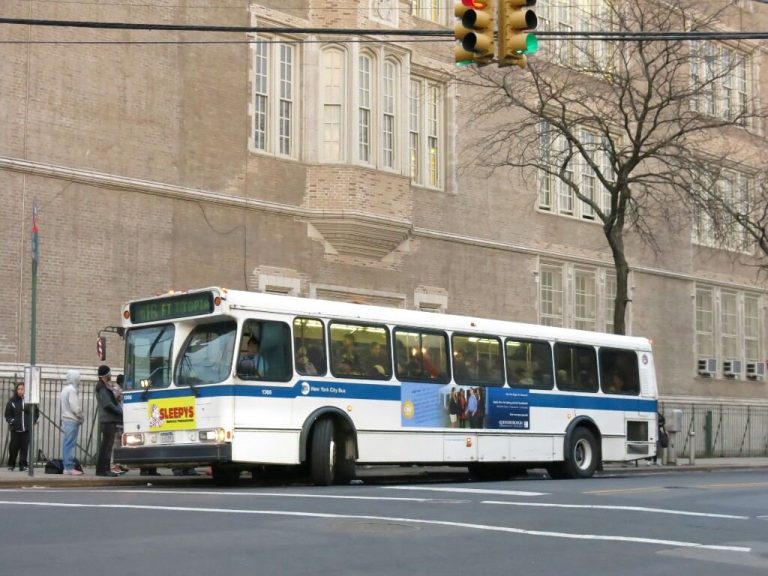

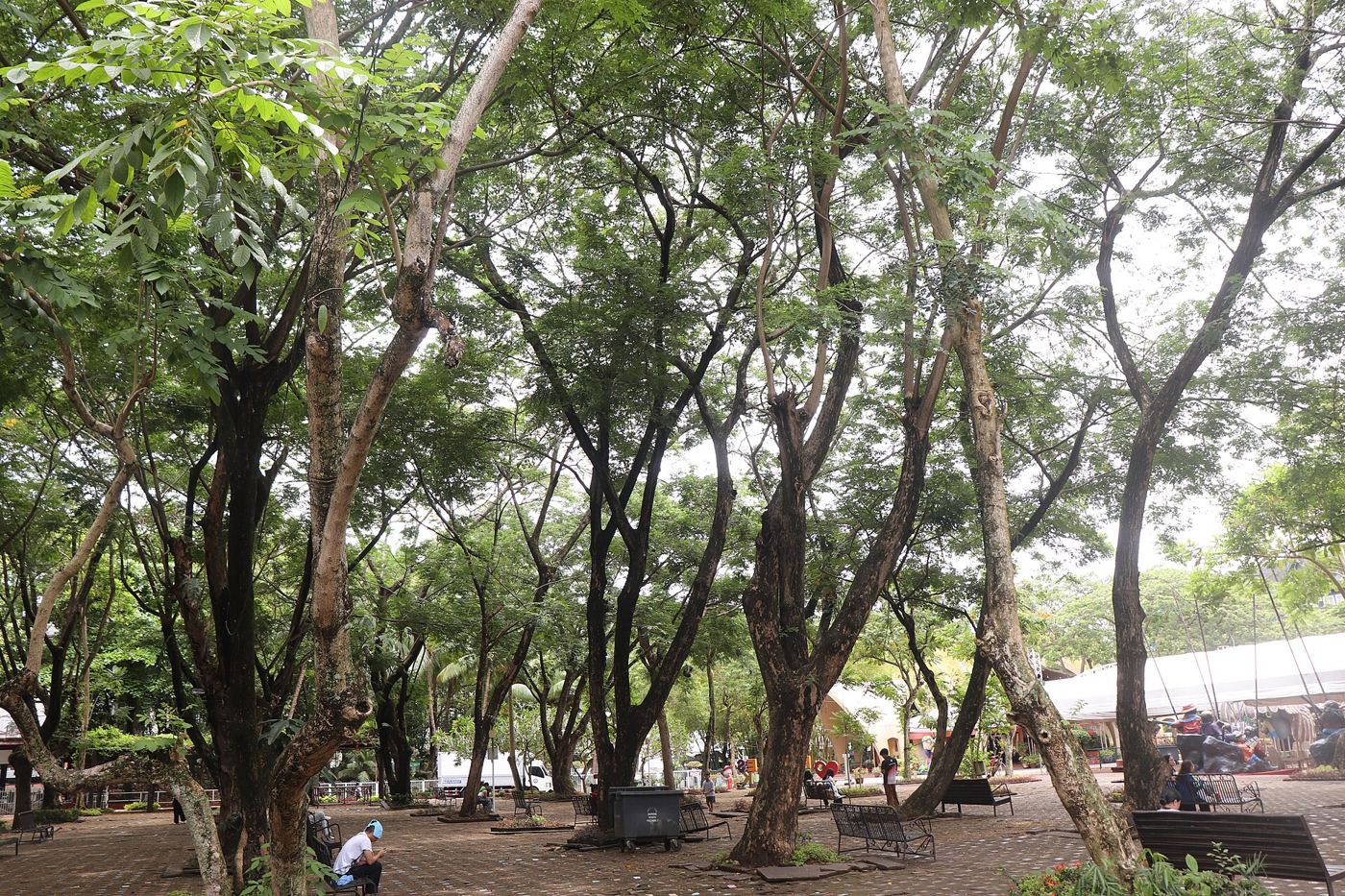

City planners are treating shade as essential infrastructure after heatwaves showed how exposed streets, stops and playgrounds become unusable in summer. Mapping exercises reveal that the hottest neighbourhoods often have the fewest trees, with wide roads and dark surfaces storing heat into the evening. Councils are planting larger-canopy species, adding shade structures at bus stops and prioritising schoolyards and clinic entrances. Health officials support the shift, noting that shade reduces heat stress for older people, children and outdoor workers. The challenge is time, because a newly planted tree may take a decade to provide the cover a street needs today.
What the Evidence Shows
In the short term, temporary sails, misting points and opened public buildings are filling gaps during extreme heat warnings. Designers are also rethinking materials, choosing lighter pavements and preserving mature trees during redevelopment instead of replacing them with saplings. Maintenance budgets decide whether young trees survive their first dry summers, so watering contracts are part of serious plans. Residents are being consulted on where shade is needed most, often identifying routes to stations and markets that official maps missed. Urban foresters say the goal is even coverage, so cooling benefits reach districts historically overlooked by greening programmes. Reporting and analysis from sources such as BBC News track the same developments, and specialists following city shade heat protection say the direction is now consistent across independent lines of evidence.
The Wider Context
The wider context is a public conversation conducted at a speed institutions were not built for. Developments around city shade heat protection are announced, contested and revised within a single news cycle, and the officials involved have learned to publish evidence alongside claims so that scrutiny can actually occur. Trust, the polling suggests, follows that transparency more than it follows confidence.
What Happens Next
What happens next in the story of city shade heat protection will be decided in the places where it is being implemented, measured and argued about in public. The officials and organisations involved have committed to publishing progress data, and that commitment gives residents, businesses and journalists something firmer than promises to judge. The next milestones are dated, which means they can be checked. You can follow related developments in our coverage of news.
None of this will be settled by a single announcement, study or product launch. The pattern to watch is accumulation: independent confirmations, honest reporting of failures and steady improvement in the underlying numbers. Readers who follow those signals, rather than the loudest claim of the week, will understand this subject better than most of the commentary surrounding it suggests is possible.
There is a practical lesson in all of this for readers deciding what to do today. Start with the verified facts, be wary of anyone promising certainty, and prefer reversible steps while the evidence is still developing. Circumstances differ by country, income and personal situation, so general guidance should always be weighed against your own context before you act on it in any significant or lasting way.