
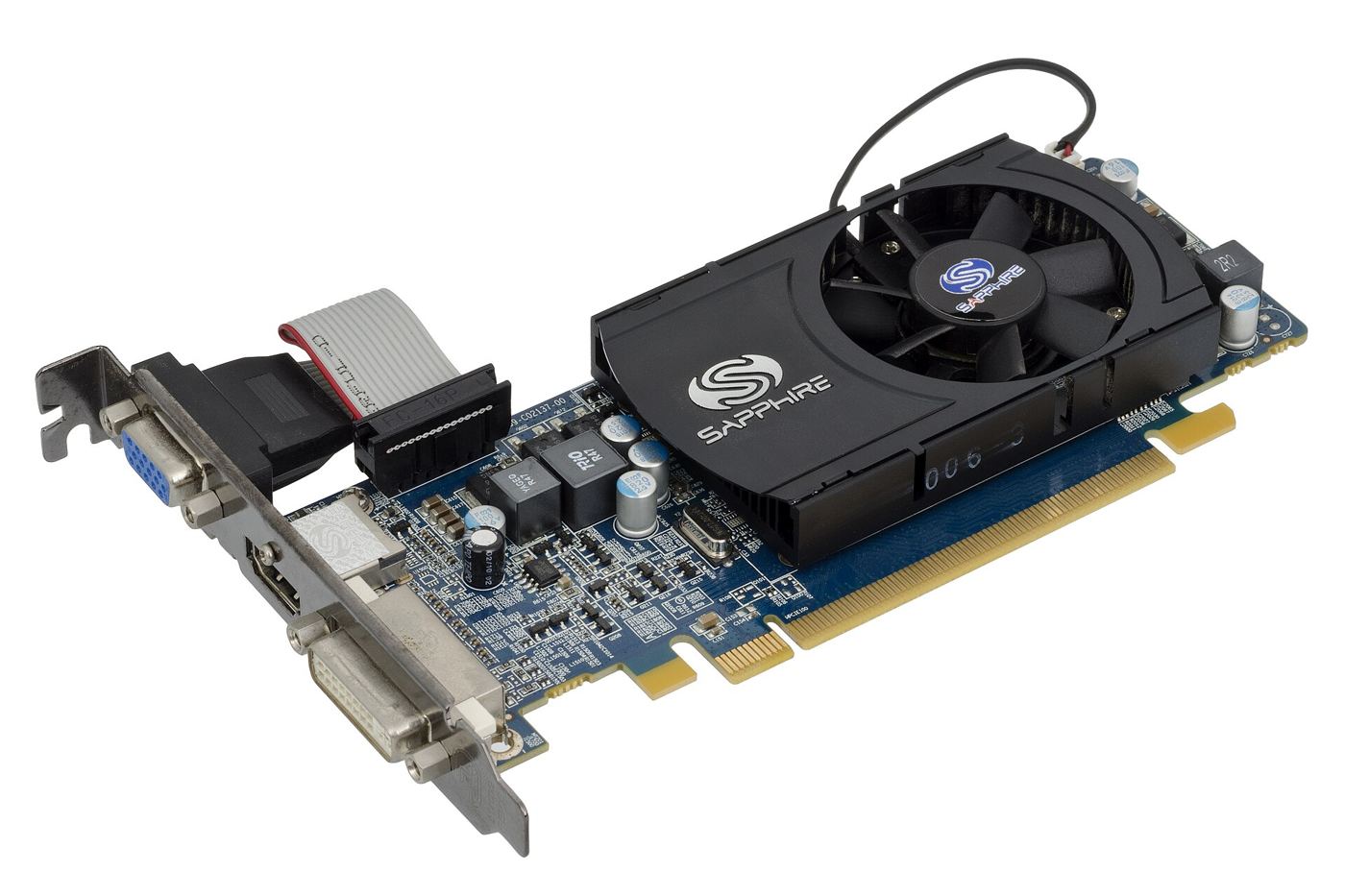

Nvidia has announced Rubin HPC, a new graphics processor built for scientific computing, at the SC26 supercomputing conference on 16 November 2026. The chip is aimed at the simulations that researchers use to test ideas in science and engineering, from climate models to drug discovery. Nvidia is positioning Rubin HPC for workloads where AI agents run many simulations to explore possibilities, a style of computing that needs both raw speed and large amounts of memory. The announcement came alongside an expansion of the company’s Vera central processor platform, with a rack-scale system of 192 Vera processors and fast networking supplied by four server makers. Together, the announcements show Nvidia pushing beyond AI training into the heart of traditional supercomputing. Researchers in several countries are already lining up to test the new hardware on their own hardest problems, from modelling storms to designing new medicines.
What the Evidence Shows
The move matters because the line between AI computing and scientific computing is disappearing, with researchers increasingly using AI models to guide simulations and simulations to train AI models. A processor built for that combined workload could speed up work in weather forecasting, materials science and medical research. Nvidia says Rubin HPC is designed for the heavy numerical work that underpins those fields, while the Vera expansion gives supercomputer builders a complete platform to pair with it. The company faces competition from AMD and Intel in the same market, and from cloud providers building their own chips. The first systems using Rubin HPC are expected to reach research centres as the platform rolls out, and scientists will be watching early benchmarks to see how much faster their simulations actually run. Reporting and analysis from sources such as Wired track the same developments, and specialists following the Rubin HPC graphics processor say the direction is now consistent across independent lines of evidence.
The Wider Context
The wider context is an industry learning to ship capability and restraint together. Products built around the Rubin HPC graphics processor now launch with safety evaluations, usage data and rollback plans as standard, because enterprise buyers and regulators ask for them in the first meeting. Companies that treated those questions as friction are discovering they have become the purchase criteria.
What Happens Next
What happens next for the Rubin HPC graphics processor depends less on another breakthrough than on the unglamorous work of reliability, pricing and support. The buyers evaluating it now are not enthusiasts; they are operators with budgets and auditors, and their checklists will decide the timeline. On the evidence of the current pilots, the technology has earned the right to be judged by them. You can follow related developments in our coverage of technology.
None of this will be settled by a single announcement, study or product launch. The pattern to watch is accumulation: independent confirmations, honest reporting of failures and steady improvement in the underlying numbers. Readers who follow those signals, rather than the loudest claim of the week, will understand this subject better than most of the commentary surrounding it suggests is possible.