
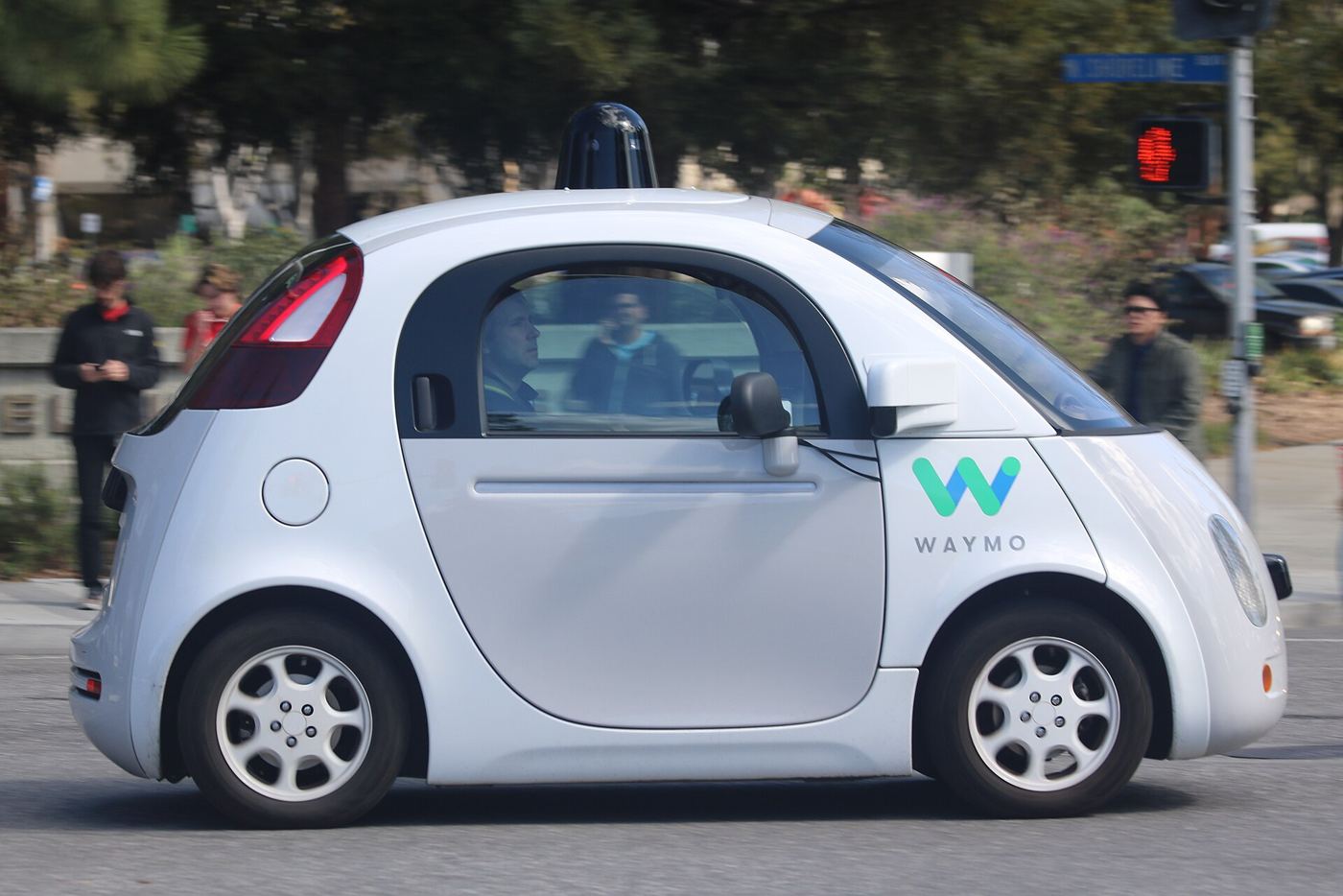

The driverless taxi has quietly become an ordinary sight in American cities. Waymo, the self-driving company owned by Alphabet, reported in September 2026 that its robotaxis were completing more than 500,000 paid rides a week across 15 US metropolitan areas, including Phoenix, San Francisco, Los Angeles, Austin and Atlanta, with a fleet of more than 4,000 vehicles. The company completed 15 million trips in 2025 alone, more than triple its 2024 total, and it has now given more than 20 million rides since it began. The cars, mostly electric Jaguar I-Pace vehicles fitted with lidar, cameras and radar, drive with no human at the wheel, and in Austin and Atlanta passengers book them through Uber. Waymo began as Google’s self-driving car project in 2009, and it took sixteen years of testing before the service reached this scale.
What the Evidence Shows
The expansion has been rapid, but the debate over safety is not settled. Waymo publishes data showing its cars crash less often than human drivers, and it has driven more than 270 million driverless miles, yet every incident involving a robotaxi makes headlines, and regulators in California and elsewhere watch the company closely. The business case is also unproven: Waymo raised 16 billion dollars in February 2026 at a valuation of 126 billion dollars, but it still loses money on every ride and depends on Alphabet’s deep pockets. Tesla, Zoox and Chinese companies such as Baidu are racing to catch up, and London is next on Waymo’s list. For now, the sight of an empty driver’s seat has stopped surprising passengers in Phoenix and San Francisco, which may be the most important milestone of all. Reporting and analysis from sources such as Wired track the same developments, and specialists following Waymo driverless taxi expansion say the direction is now consistent across independent lines of evidence.
The Wider Context
The wider context is an industry learning to ship capability and restraint together. Products built around Waymo driverless taxi expansion now launch with safety evaluations, usage data and rollback plans as standard, because enterprise buyers and regulators ask for them in the first meeting. Companies that treated those questions as friction are discovering they have become the purchase criteria.
What Happens Next
What happens next for Waymo driverless taxi expansion depends less on another breakthrough than on the unglamorous work of reliability, pricing and support. The buyers evaluating it now are not enthusiasts; they are operators with budgets and auditors, and their checklists will decide the timeline. On the evidence of the current pilots, the technology has earned the right to be judged by them. You can follow related developments in our coverage of technology.
None of this will be settled by a single announcement, study or product launch. The pattern to watch is accumulation: independent confirmations, honest reporting of failures and steady improvement in the underlying numbers. Readers who follow those signals, rather than the loudest claim of the week, will understand this subject better than most of the commentary surrounding it suggests is possible.