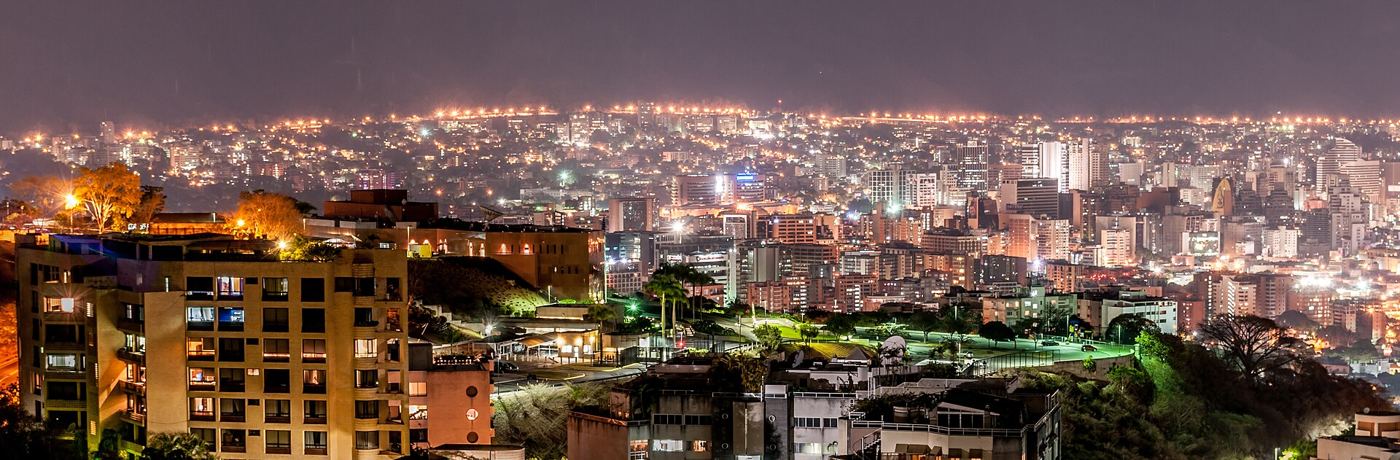

Ten months after American special forces captured President Nicolas Maduro in a nighttime raid on Caracas, Venezuela’s political future remains unresolved. On 3 January 2026, US forces seized Maduro and his wife Cilia Flores and flew them to New York to face federal drug-trafficking charges, which both deny; their trial is scheduled for June 2027. Rather than handing power to the opposition, Washington backed Maduro’s vice-president, Delcy Rodriguez, as interim president. On 18 November 2026, US Defence Secretary Pete Hegseth visited Caracas and announced an agreement on joint military training and intelligence sharing with the same armed forces that once served Maduro. The visit underlined how far the relationship has travelled in less than a year, from military raid to defence partnership. Maduro has pleaded not guilty to the charges, and his lawyers argue that the raid violated international law and that he should be treated as a head of state.
What the Evidence Shows
The opposition has not disappeared. Maria Corina Machado, who won the 2025 Nobel Peace Prize for promoting democratic rights in Venezuela, returned to the country on 25 October 2026 after ten months in exile, and now faces the delicate task of pressing Rodriguez for change without upsetting Washington. The interim government has released dozens of political prisoners, allowed some exiles to return and given a company linked to the Pentagon privileged access to Venezuela’s vast oil reserves. Yet Rodriguez governs on an expired mandate, no election date has been set, and the ruling party’s old structures remain largely intact. The question now is whether the United States will push for a genuine democratic transition or settle for a stable, cooperative government in Caracas. Washington has said it wants stability and cooperation on oil, drugs and migration, but it has not set a timetable for elections or a transfer of power. Reporting and analysis from sources such as Reuters track the same developments, and specialists following Venezuela after Maduro’s capture say the direction is now consistent across independent lines of evidence.
The Wider Context
The wider context is a public conversation conducted at a speed institutions were not built for. Developments around Venezuela after Maduro’s capture are announced, contested and revised within a single news cycle, and the officials involved have learned to publish evidence alongside claims so that scrutiny can actually occur. Trust, the polling suggests, follows that transparency more than it follows confidence.
What Happens Next
What happens next in the story of Venezuela after Maduro’s capture will be decided in the places where it is being implemented, measured and argued about in public. The officials and organisations involved have committed to publishing progress data, and that commitment gives residents, businesses and journalists something firmer than promises to judge. The next milestones are dated, which means they can be checked. You can follow related developments in our coverage of news.
There is a practical lesson in all of this for readers deciding what to do today. Start with the verified facts, be wary of anyone promising certainty, and prefer reversible steps while the evidence is still developing. Circumstances differ by country, income and personal situation, so general guidance should always be weighed against your own context before you act on it in any significant or lasting way.