
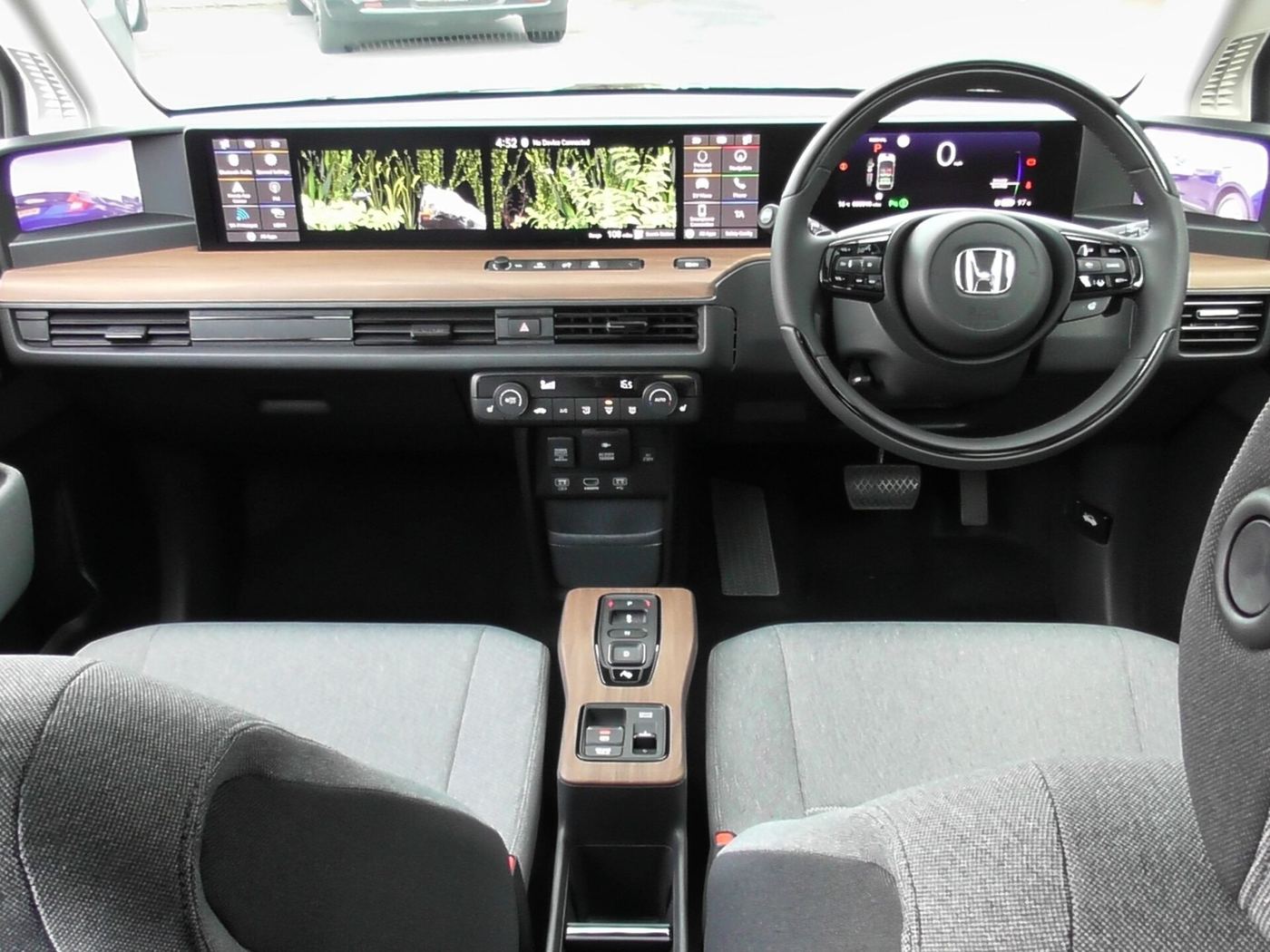

Cold weather has always been the electric car’s weak season. Batteries deliver less energy when chilled, and heating the cabin with a simple electric element draws heavily on the same battery, so winter range can fall noticeably compared with mild-weather figures. Manufacturers are increasingly answering with heat pumps, the technology long used in buildings, which move heat rather than generate it. A heat pump in a car scavenges warmth from the outside air, the motor and the battery itself, then concentrates it into the cabin, delivering the same comfort for a fraction of the electrical energy a resistive heater consumes. The gains are largest in the cool, damp conditions common in northern winters, and drivers feel them directly as range predictions that hold steadier from one season to the next. Integrating the system is an engineering puzzle, because the same thermal circuit may also need to warm a cold battery before fast charging or cool it during hard driving. Modern designs therefore treat heating and cooling as one managed system, with valves and software directing warmth wherever it does most good, a sophistication visible on the dashboard as clearer range estimates and preconditioning controls.
What the Evidence Shows
Heat pumps are not a complete answer to winter, and honest testing helps set expectations. In extreme cold their advantage narrows, since there is less ambient heat to harvest, so cars retain backup heating elements for the coldest mornings. Real-world owner data, gathered across fleets and climates, now guides buyers better than laboratory range figures alone, showing how much difference the technology makes on a frosty commute versus a long motorway run. Charging behaviour matters too: preconditioning the battery while still plugged in, so the energy comes from the grid rather than the pack, preserves range before the journey even starts. As heat pumps become standard equipment, the seasonal gap in electric car performance should continue to shrink, removing one of the most practical objections raised by drivers in cold regions. The broader lesson is that efficiency gains increasingly come from managing energy already on board more cleverly, rather than simply fitting ever larger and heavier batteries. Reporting and analysis from sources such as Wired track the same developments, and specialists following heat pumps electric car range say the direction is now consistent across independent lines of evidence.
The Wider Context
The wider context is an industry learning to ship capability and restraint together. Products built around heat pumps electric car range now launch with safety evaluations, usage data and rollback plans as standard, because enterprise buyers and regulators ask for them in the first meeting. Companies that treated those questions as friction are discovering they have become the purchase criteria.
What Happens Next
What happens next for heat pumps electric car range depends less on another breakthrough than on the unglamorous work of reliability, pricing and support. The buyers evaluating it now are not enthusiasts; they are operators with budgets and auditors, and their checklists will decide the timeline. On the evidence of the current pilots, the technology has earned the right to be judged by them. You can follow related developments in our coverage of technology.
None of this will be settled by a single announcement, study or product launch. The pattern to watch is accumulation: independent confirmations, honest reporting of failures and steady improvement in the underlying numbers. Readers who follow those signals, rather than the loudest claim of the week, will understand this subject better than most of the commentary surrounding it suggests is possible.