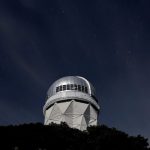
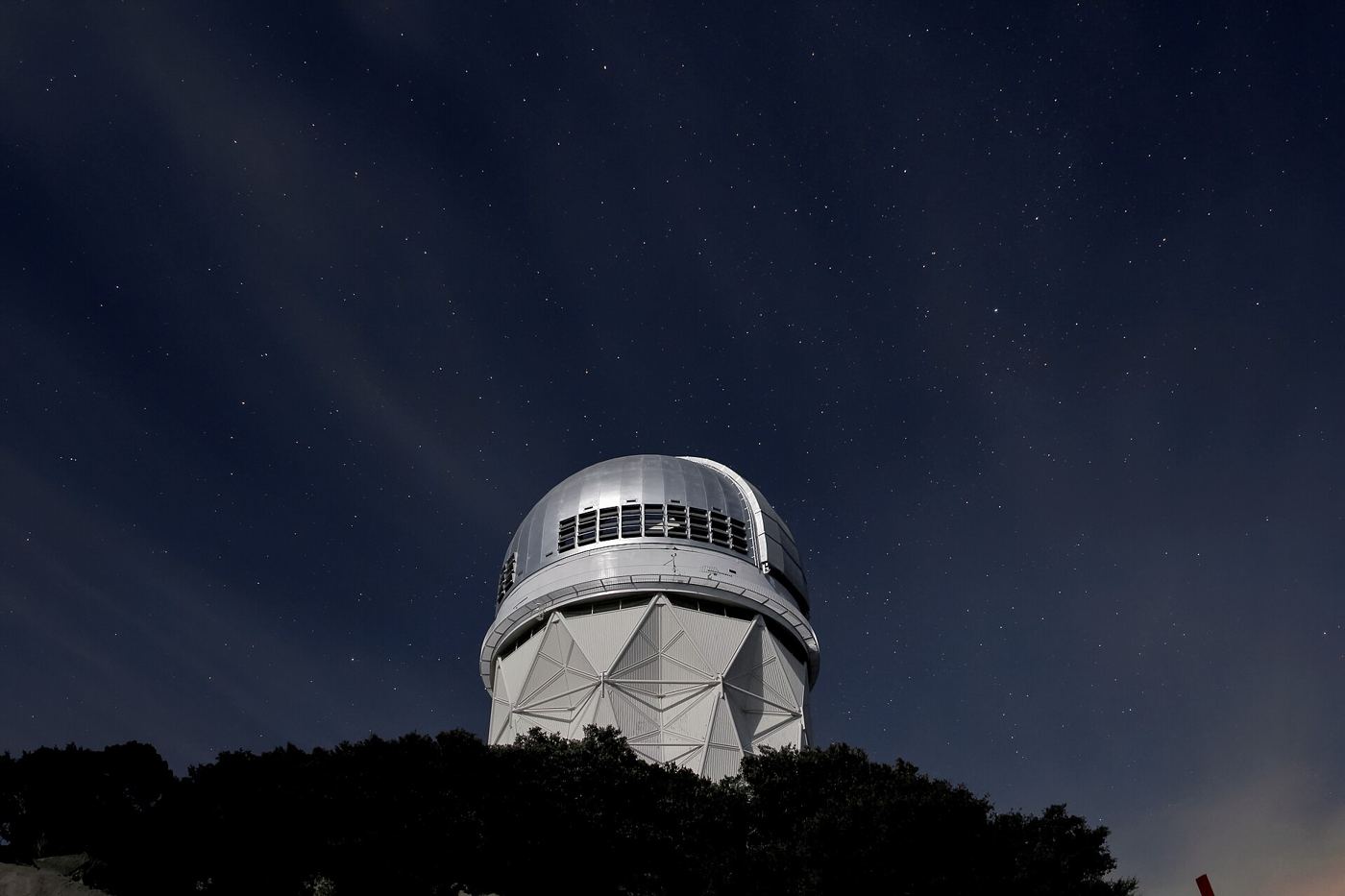

Astronomers are opening their observatory for a series of public evenings this winter, giving visitors a guided look at planets, star clusters, and the Moon through telescopes under dark skies. Staff say winter offers some of the clearest viewing of the year when clouds stay away, although warm clothing is essential for time spent outdoors between sessions. Talks inside the visitor centre will explain how telescopes collect light from distant objects and why protecting dark skies from unnecessary lighting helps both research and wildlife. Tickets are limited to keep groups small enough for everyone to spend meaningful time at each instrument.
What the Evidence Shows
During the evenings, volunteers will help visitors find constellations without any equipment first, building confidence before moving to detailed views through larger telescopes. For those interested in photography, a short session will cover basic techniques for capturing the night sky with ordinary cameras and tripods, along with realistic expectations about weather and light pollution. Organisers have built in a cloudy night alternative programme with planetarium style presentations and meteorite handling, so booked visits still offer value when viewing is impossible. Schools attending on separate dates will link the experience to classroom work on light, gravity, and the scale of the solar system. Reporting and analysis from sources such as National Science Foundation track the same developments, and specialists following public observatory night sky evenings say the direction is now consistent across independent lines of evidence.
The Wider Context
The wider context is a research landscape in which replication and open data now decide reputations. Findings connected to public observatory night sky evenings are being checked by independent groups with shared datasets, and the teams involved publish their methods in full so rivals can test every step. That discipline is slower than a headline cycle, but it is why results in this area increasingly survive first contact with scrutiny.
What Happens Next
What happens next in the story of public observatory night sky evenings will be decided by follow-up work already under way: larger samples, longer observation and instruments that have not yet come online. The researchers involved are unusually united on one point, that the current results justify the next investment of time and money. Readers will not have to wait long for the first tests of that claim. You can follow related developments in our coverage of science.
There is a practical lesson in all of this for readers deciding what to do today. Start with the verified facts, be wary of anyone promising certainty, and prefer reversible steps while the evidence is still developing. Circumstances differ by country, income and personal situation, so general guidance should always be weighed against your own context before you act on it in any significant or lasting way.